The Mayo Clinic’s basic skincare guidance covers cleansing, moisturizing, and sun protection. That is a good foundation. But the advice licensed estheticians give their clients, based on years of treating real skin in a clinical setting, goes several layers deeper.
The tips below come directly from what our estheticians at A Moment’s Peace share with clients during consultations and treatment room conversations. They are not aspirational or trend-based. They are the consistent, practical recommendations that produce the most visible results over time.
Tip 1: Wear SPF Every Day, Including in Winter and Indoors
The American Academy of Dermatology recommends a broad-spectrum SPF of at least 30 as a daily baseline, regardless of season or how much time you plan to spend outside. UVA rays, the ones responsible for photoaging and skin cancer, penetrate clouds and glass.
What estheticians see in the treatment room bears this out: the most consistent predictor of accelerated skin aging is cumulative sun exposure without adequate protection. Most clients who present with hyperpigmentation, texture irregularities, and fine lines before their mid-40s have a history of inconsistent SPF use.
Apply SPF as the last step of your morning routine, after moisturizer. Reapply every two hours if you are spending meaningful time outdoors.
Tip 2: Double Cleanse in the Evening
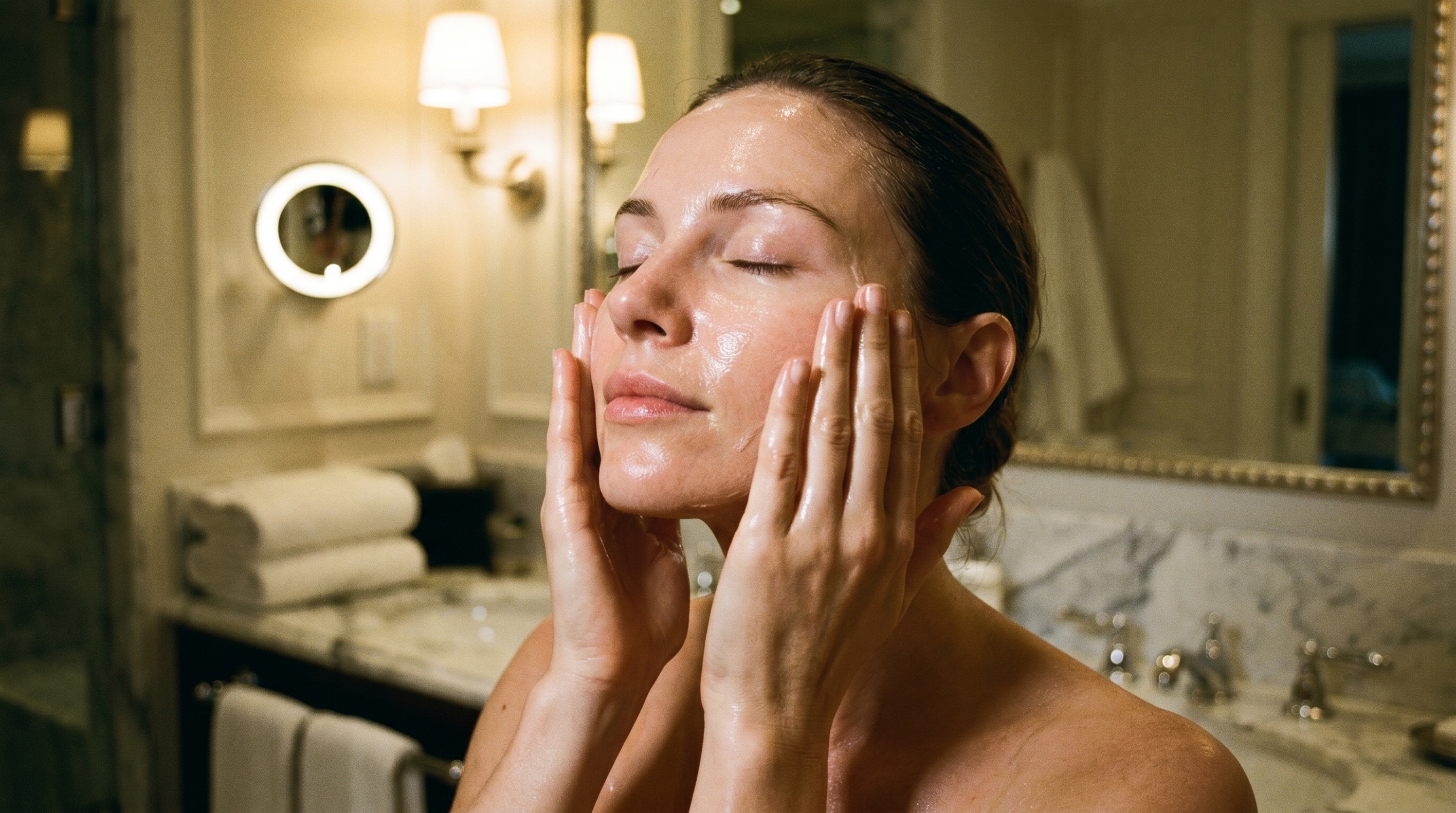
Evening cleansing is the most important cleanse of the day. During a full day, the skin accumulates makeup, sunscreen, environmental pollution, and sebum. A single cleanse rarely removes all of it.
The double cleanse method: first pass with an oil-based cleanser or micellar water to break down oil-soluble debris including makeup and SPF. Second pass with a water-based cleanser suited to your skin type to remove the residual layer.
Estheticians note that many clients presenting with congestion and persistent breakouts are not double cleansing. The issue is not their products — it is incomplete removal at the end of the day.
Tip 3: Introduce Retinol or a Retinoid in Your 30s
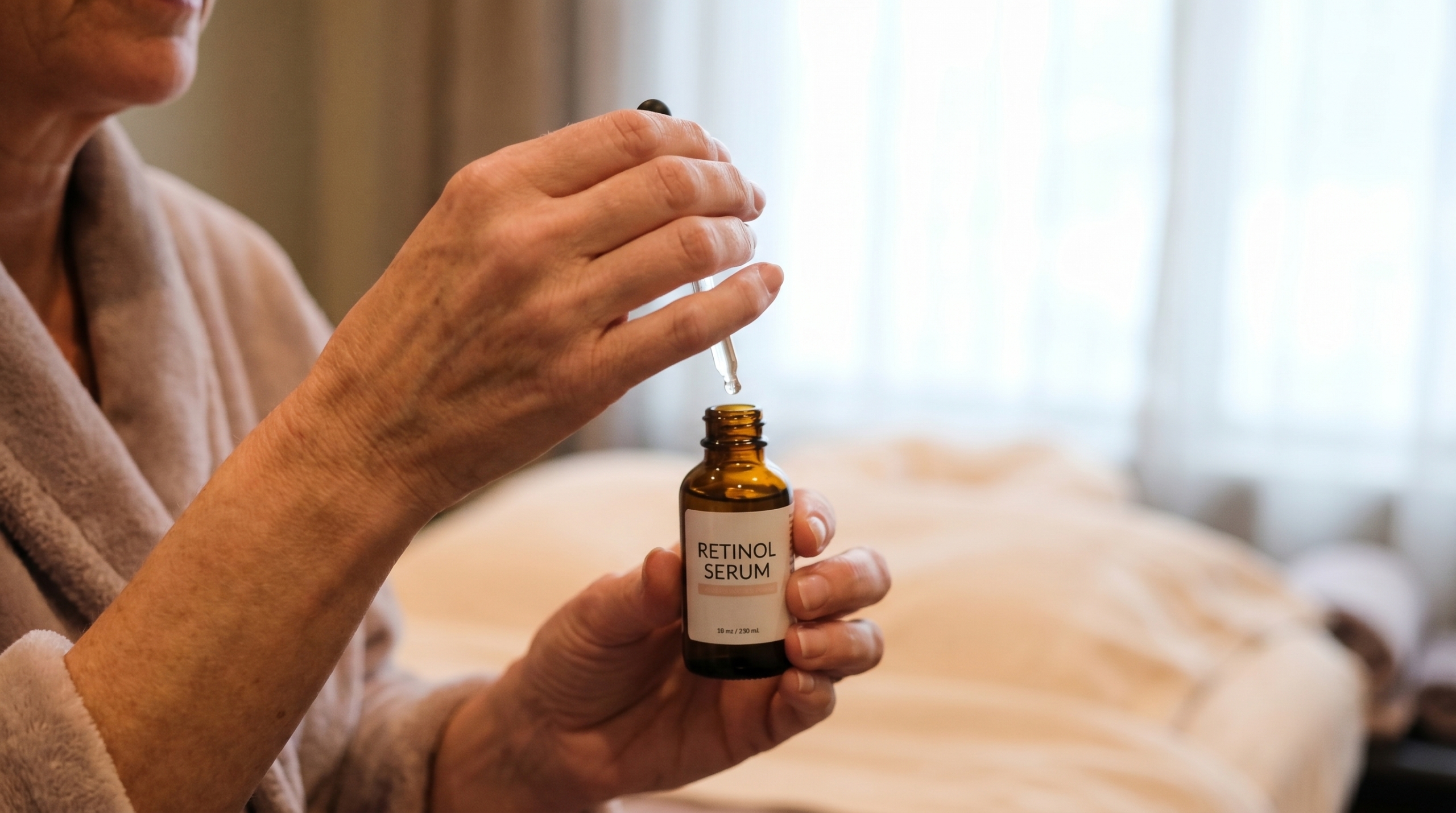
Retinol is a vitamin A derivative that accelerates cell turnover, stimulates collagen production, and reduces the appearance of fine lines, hyperpigmentation, and texture over consistent use. The American Academy of Dermatology recognizes retinoids as among the most evidence-supported ingredients for anti-aging skincare.
The recommendation to start in your 30s is not because younger skin does not benefit — it does. It is because consistency over years produces the best results, and starting before the most visible signs of aging appear means the cell turnover benefits compound over a longer period.
Start with a low concentration applied two to three nights per week. Introduce it slowly to avoid irritation. Do not use it the nights before or after a professional facial or chemical peel.
Tip 4: Do Not Mix AHAs or BHAs With Retinol in the Same Evening
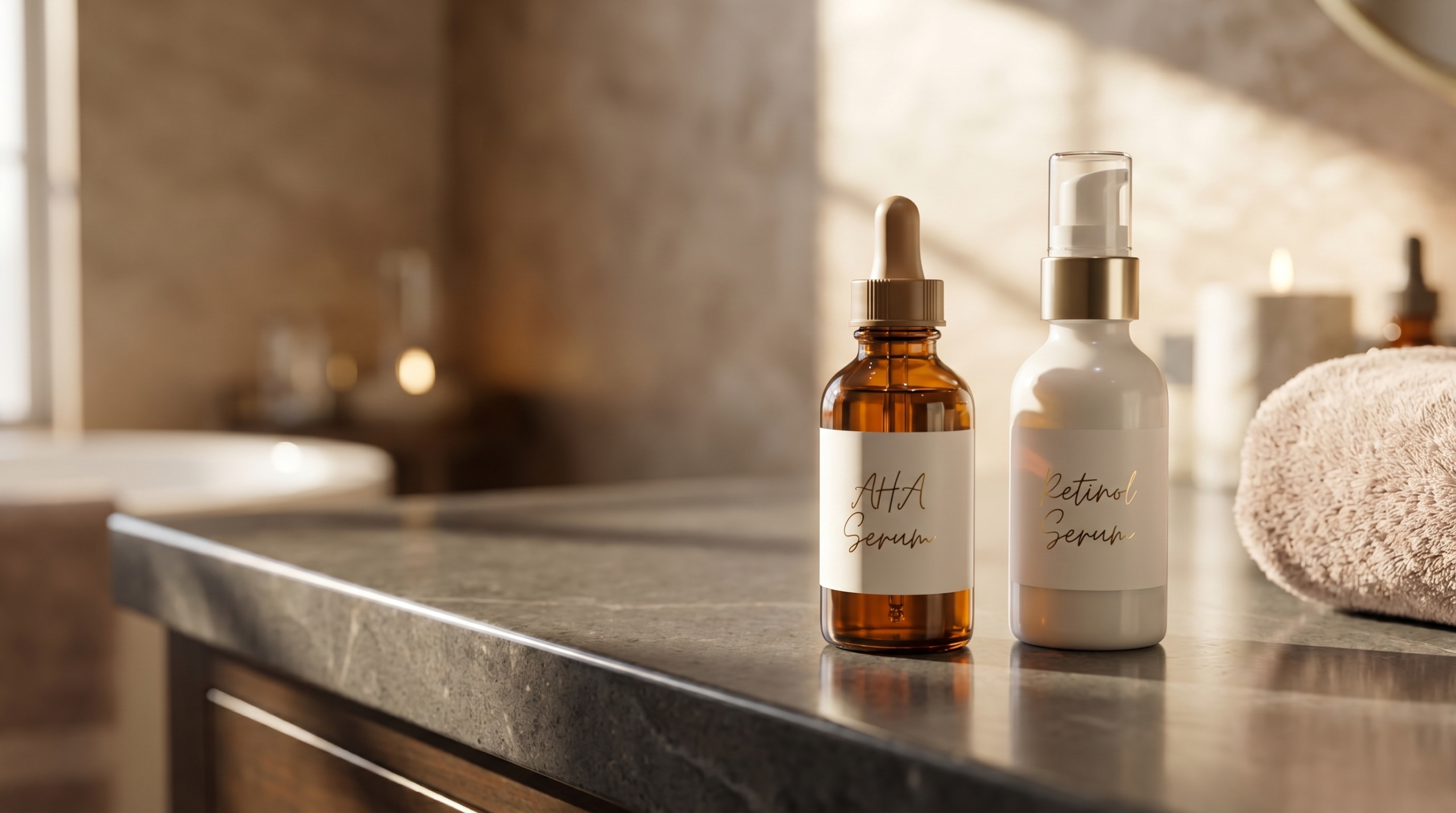
Alpha hydroxy acids (glycolic, lactic), beta hydroxy acids (salicylic), and retinol are all effective active ingredients independently. Used together in the same evening routine, they can over-exfoliate the skin, compromise the barrier, and cause irritation, redness, and sensitivity that persists for several days.
The practical approach: alternate your actives on different nights. Use retinol on Monday, Wednesday, and Friday. Use an AHA or BHA serum on Tuesday and Thursday. Leave one or two nights per week for barrier repair with a plain moisturizer and nothing else.
This also applies before professional treatments. If you are coming in for a facial, stop all active ingredients 48 to 72 hours before your appointment, and for 5 to 7 days before a chemical peel. For a full pre-treatment protocol, see our guide on how to prepare your skin for a professional facial.
Tip 5: Use a Vitamin C Serum Every Morning
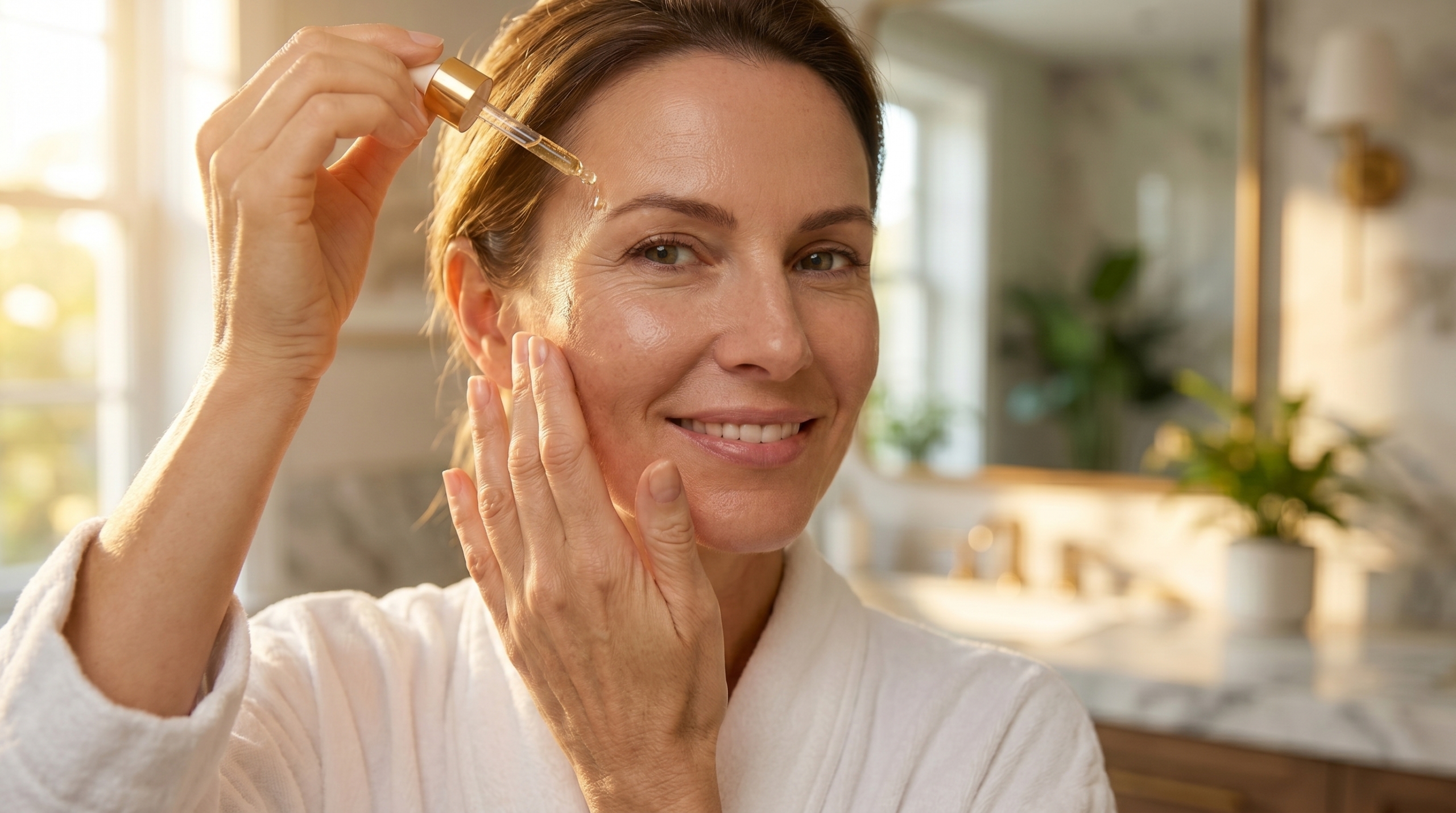
Vitamin C is one of the most rigorously studied topical ingredients in dermatology. A 2017 meta-analysis published in the journal Nutrients confirmed that topical vitamin C improves the appearance of hyperpigmentation, brightens overall skin tone, and provides antioxidant protection against environmental damage.
The morning is the correct time to apply vitamin C because it acts as an antioxidant, neutralizing free radicals from UV exposure and environmental pollution throughout the day. SPF and vitamin C work synergistically: SPF blocks incoming UV, vitamin C addresses the oxidative stress from UV that SPF does not entirely prevent.
Use a stable vitamin C serum (L-ascorbic acid or a stabilized derivative) after cleansing and before moisturizer. Keep it in the refrigerator to extend shelf life.
Tip 6: Stop Picking
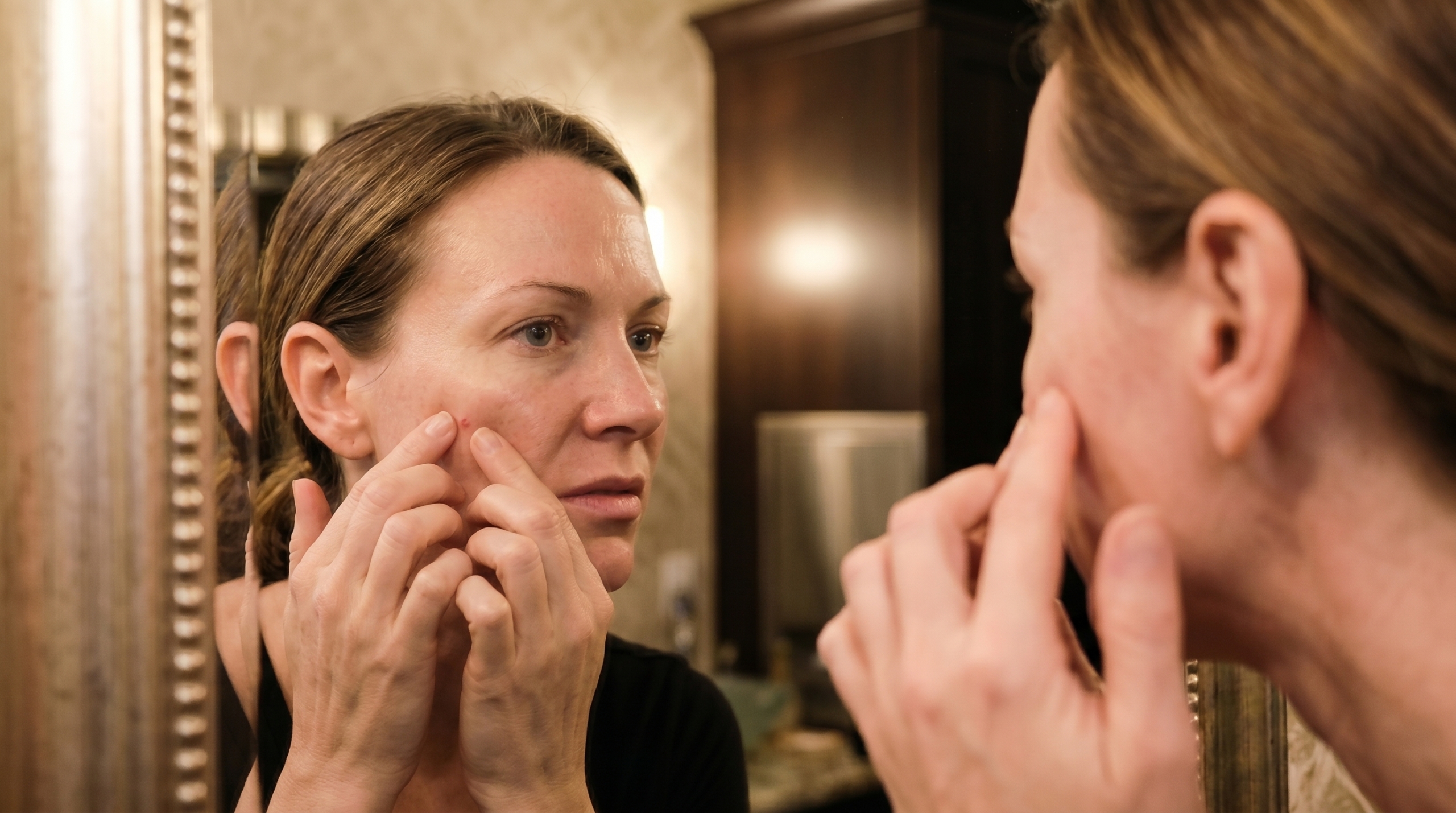
The single most common cause of post-inflammatory hyperpigmentation, the dark marks that appear after a breakout, is manual picking, squeezing, or popping. This is not unique to any skin type. It is essentially universal.
Picking introduces bacteria, forces infected material deeper into the pore, triggers an inflammatory response that is stronger than the original blemish, and in many cases extends the life of the spot by weeks. The dark mark that lingers for months afterward is the skin’s post-inflammatory healing process, not the original breakout.
Estheticians can perform professional extractions in a controlled, sterile way with the skin properly warmed and prepared. If congestion and breakouts are a persistent concern, the correct response is a professional facial with extractions, not self-management.
Tip 7: Book a Professional Facial Every Four to Six Weeks
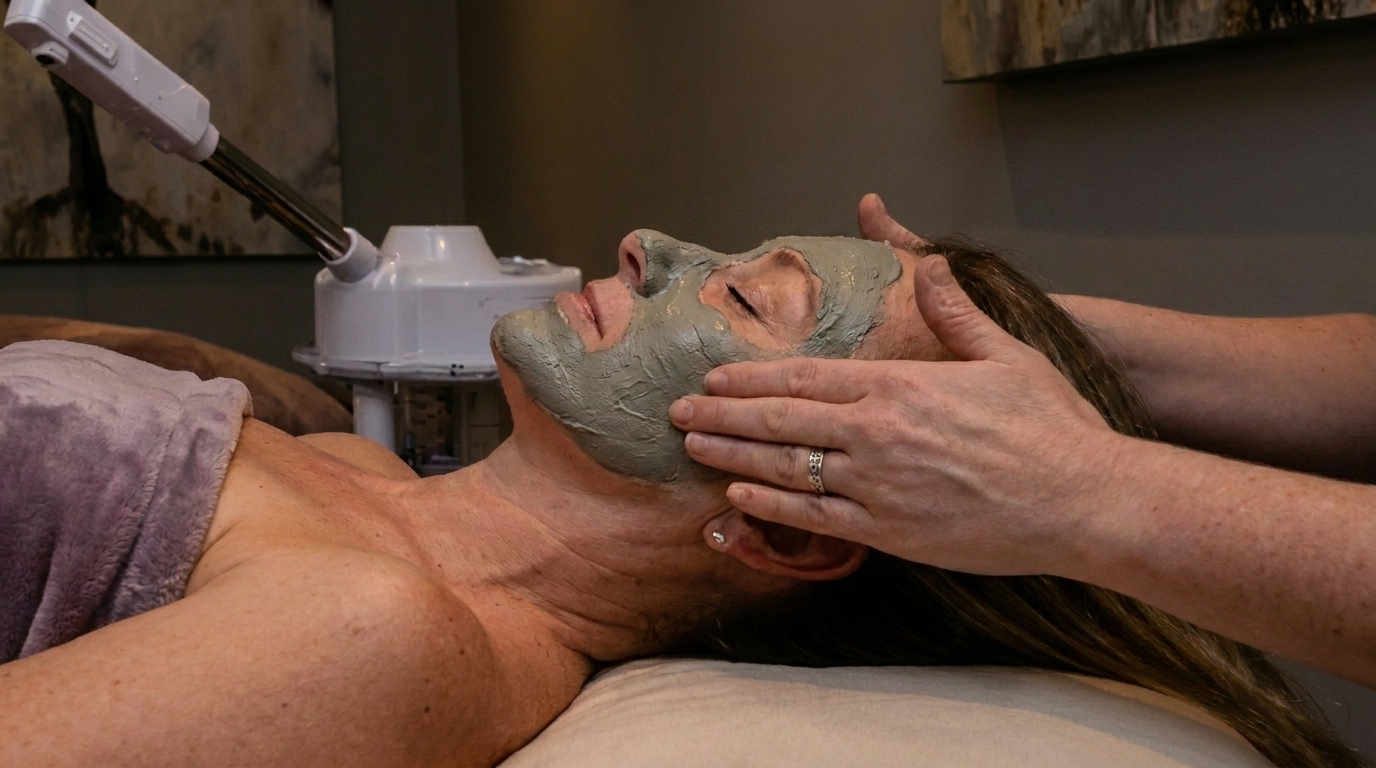
The skin completes a natural cell turnover cycle approximately every 28 days. A professional facial timed to that cycle removes the accumulated dead skin cells that home products cannot fully address, performs extractions that home tools cannot safely replicate, and assesses any changes in the skin that might require a product adjustment.
Most estheticians consider quarterly the absolute minimum for visible results. Monthly is the professional standard for clients who want consistent improvement rather than a single reset.
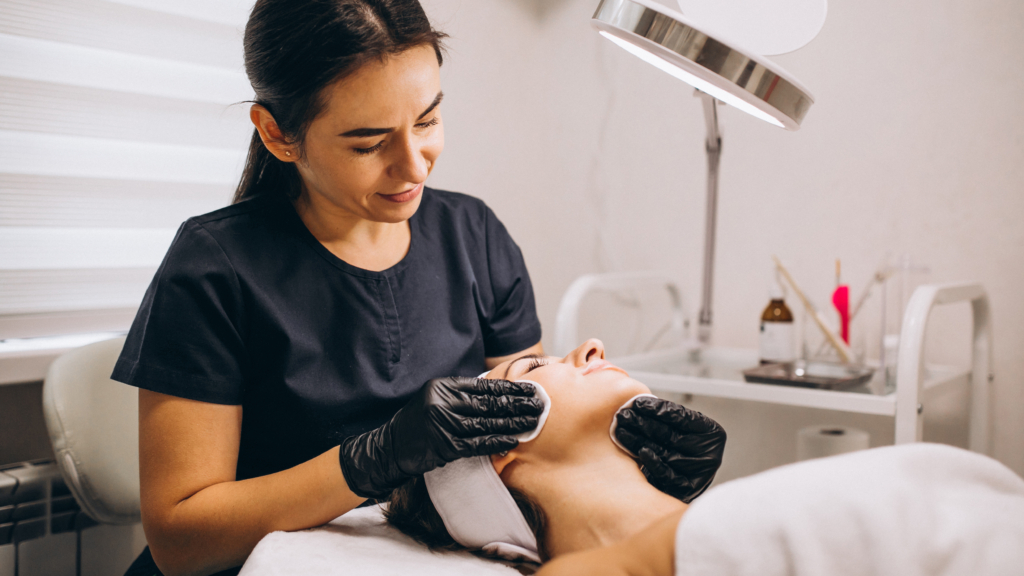
At A Moment’s Peace, facial services include our European facial, HydraFacial, chemical peels, and CO2Lift. Your esthetician will assess your skin at each visit and adjust the service to your current condition rather than applying a fixed protocol.
Book a Facial with Our Estheticians in Franklin, TN
A Moment’s Peace is at 9050 Carothers Pkwy, Suite 108, Franklin, TN 37067. Our licensed estheticians provide personalized consultations at every appointment. Book online at amomentspeace.com or call 615-224-0770.
Frequently Asked Questions
What is the most important skincare step according to estheticians?
Daily SPF of at least 30 is the most universally cited recommendation by licensed estheticians and dermatologists. It has the highest evidence base for preventing both photoaging and skin cancer, and most clients are inconsistent with it.
How do I know which active ingredients to use for my skin type?
A consultation with a licensed esthetician is the most efficient way to assess this. An esthetician can examine your skin directly, ask about your current routine and concerns, and recommend a targeted approach rather than a generic protocol. At A Moment’s Peace, every facial appointment includes a brief intake that addresses your skin history and goals.
Can I use retinol if I have sensitive skin?
Yes, with care. Start with the lowest concentration available and apply it once per week, increasing frequency gradually over several weeks. Some initial sensitivity is normal. Persistent redness, peeling, or irritation means you are applying too much, too often. A buffer method, applying moisturizer before retinol rather than after, can reduce initial sensitivity significantly.