
Massage therapy is often positioned as a luxury: something you do to treat yourself, or to decompress from an unusually stressful week. That framing undersells it significantly.
The physiological effects of massage are measurable, documented in peer-reviewed research, and accumulate over repeated sessions in ways that a single appointment cannot replicate. Here are six of the most well-supported benefits, what the research says about each, and what that means for how often to book our massage therapy services at A Moment’s Peace.

1. Reduces Cortisol and Physiological Stress
A 2010 study in the Journal of Alternative and Complementary Medicine found that a single massage session produced a significant reduction in cortisol levels alongside an increase in serotonin and dopamine — neurotransmitters associated with mood regulation and wellbeing. The effect was measurable even after one session. Maintaining lower baseline cortisol through consistent massage has meaningful long-term health effects distinct from the immediate relaxation response.
2. Reduces Muscle Tension and Chronic Pain
A meta-analysis published in Pain Medicine reviewing 60 randomized controlled trials found that massage therapy was effective for reducing pain across multiple chronic pain conditions including low back pain, shoulder pain, and headaches. For guests dealing with postural tension from desk work or athletes managing recovery, consistent deep tissue massage addresses the underlying tension rather than simply providing temporary relief.
3. Improves Sleep Quality
The mechanism behind massage and improved sleep involves serotonin. Massage increases serotonin production, and serotonin is a precursor to melatonin, the hormone that regulates the sleep cycle. A study in the International Journal of Neuroscience documented this pathway and found that regular massage produced measurable improvements in sleep quality. The effect typically becomes noticeable within two to four sessions.
4. Reduces Symptoms of Anxiety
Research published in the Journal of Clinical Psychiatry found that massage therapy reduced anxiety symptoms in patients with generalized anxiety disorder. Swedish massage is typically recommended as the starting point for anxiety reduction because its pressure and rhythm are specifically calibrated toward relaxation rather than therapeutic muscle work.
5. Supports Immune Function
Research from the Touch Research Institute at the University of Miami has documented consistent findings that massage therapy increases the activity of natural killer cells — white blood cells that play a key role in the body’s immune response. The immune benefits are modest in any single session but cumulative over regular treatment.
6. Accelerates Recovery from Soft Tissue Injury
The American Massage Therapy Association and the Touch Research Institute have documented that massage reduces recovery time for common soft tissue issues including strained muscles, tendon tightness, and post-workout soreness. Deep tissue massage is typically used for injury recovery work due to its ability to reach deeper muscle layers.
How Often Should You Get a Massage?
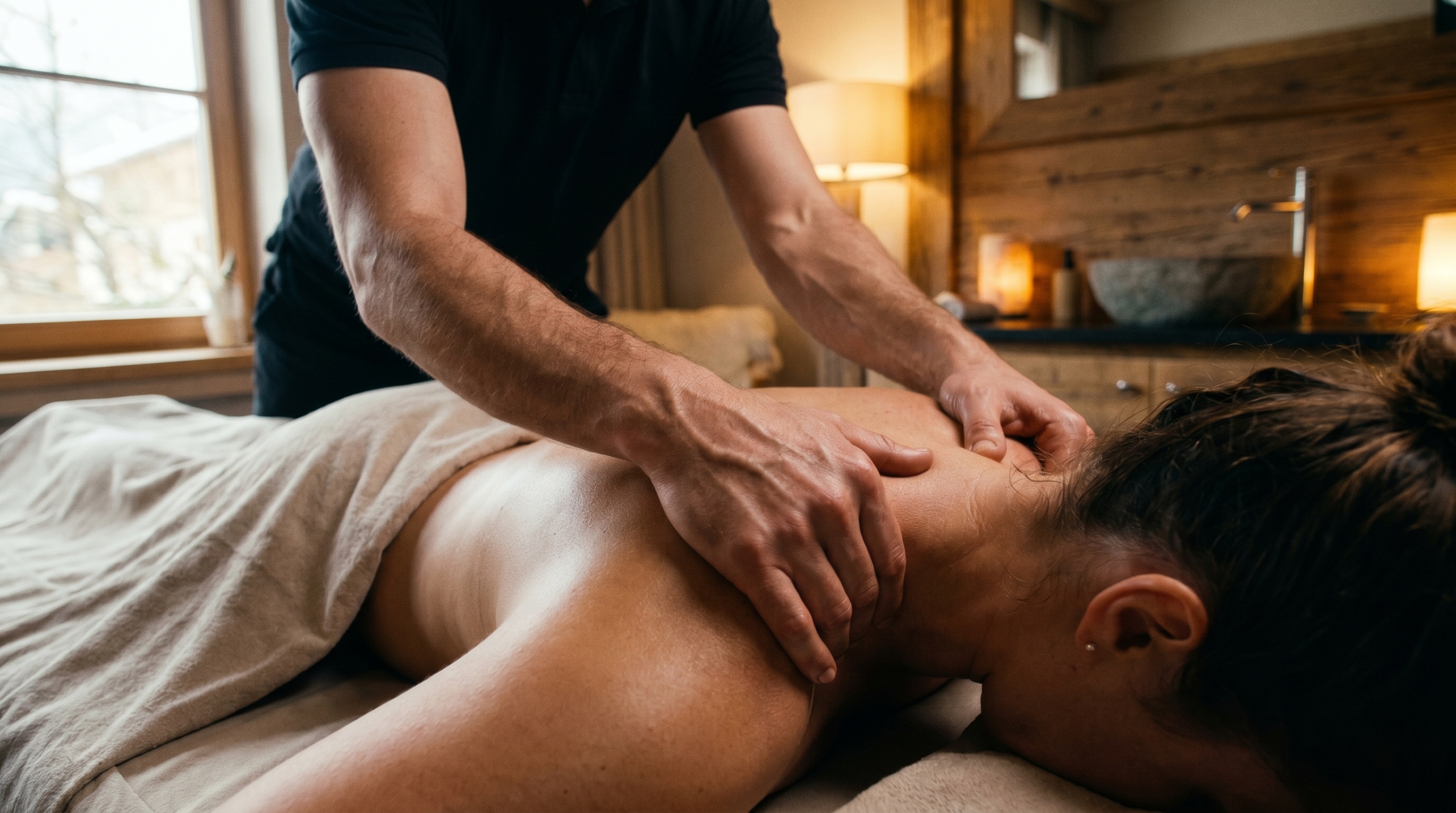
The frequency question depends on your primary goal. For general stress management and wellness maintenance, once a month is the recommended minimum. For chronic pain management or active injury recovery, every one to two weeks produces measurably better outcomes. For a deeper breakdown, see our full guide on how often you should get a massage for real health benefits.
Book a Massage in Franklin, TN
Our Williamson’s Best award-winning massage program covers Swedish, deep tissue, hot stone, couples, prenatal, craniosacral, and targeted back-neck-and-shoulders sessions. All therapists are licensed professionals.
We are at 9050 Carothers Pkwy, Suite 108, Franklin, TN 37067. Book a massage appointment online or call 615-224-0770.
Frequently Asked Questions
What are the main benefits of regular massage therapy?
The most well-documented benefits include reduced cortisol and physiological stress, decreased muscle tension and chronic pain, improved sleep quality, reduced anxiety symptoms, stronger immune function, and faster recovery from soft tissue injuries. These benefits accumulate over consistent sessions.
How quickly do the benefits of massage therapy appear?
Some benefits — particularly cortisol reduction, relaxation, and temporary pain relief — are measurable after a single session. Sleep improvements typically become noticeable after two to four consistent sessions. Chronic pain reduction and immune benefits require regular treatment over weeks to months for the full effect to accumulate.
What type of massage is best for stress relief?
Swedish massage is the most commonly recommended style for stress relief because its techniques — long effleurage strokes, gentle kneading, and rhythmic movements — are specifically designed to activate the parasympathetic nervous system and reduce cortisol.