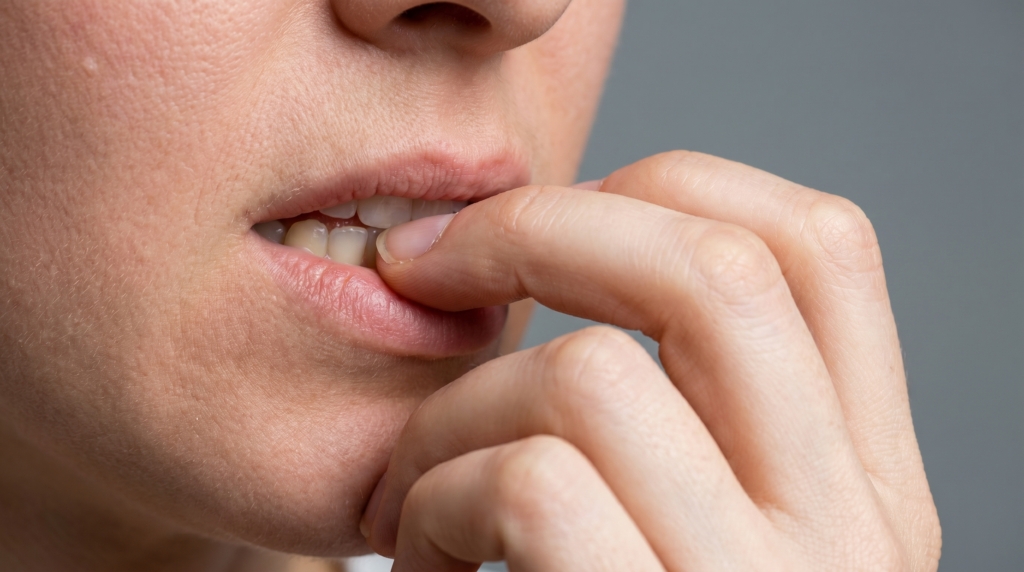
Nail biting is one of those habits that feels minor until you look at your hands. Bitten nails are hard to hide, difficult to grow back, and surprisingly painful when they get too short. And yet the habit persists, often for years, because it is a genuinely hard loop to break.
The clinical name is onychophagia, and research suggests it affects between 20 and 30 percent of the general population. [VERIFY: American Academy of Dermatology source] For most people, it starts in childhood and continues into adulthood simply because no one ever gave them a concrete strategy to stop.
These ten approaches work. Some require effort, some require a small investment, and a couple require a shift in perspective. Most people find that two or three of them used together produce real results within a few weeks.

1. Understand Your Triggers First
Nail biting is rarely random. Most people bite in response to specific situations: stress, boredom, concentration, or habit loops tied to particular environments like watching TV or driving.
Spend one week noticing when you bite. Keep a note on your phone. After seven days, you’ll have a clear pattern. Once you know your triggers, you can address them directly rather than trying to apply willpower globally.
2. Keep Your Nails Short and Filed
Less nail means less temptation. When nails are filed smooth and kept short, there is very little to catch your teeth on. The tactile trigger of a rough edge, a hangnail, or an uneven tip that you want to fix is one of the most common reasons people start biting.
Keep a nail file accessible wherever you tend to bite. The car, your desk, and your couch are all good locations. Smooth the edge instead of biting it.
3. Use Bitter-Tasting Nail Polish
Available at most pharmacies, bitter-tasting clear polish creates an immediate negative association with bringing your fingers to your mouth. The taste is genuinely unpleasant, and even unconscious biting stops quickly once the reaction kicks in.
Apply it to all ten nails. Reapply every few days, especially after washing your hands, to maintain the effect. Some people find this alone breaks the habit within a few weeks.
4. Get a Professional Manicure
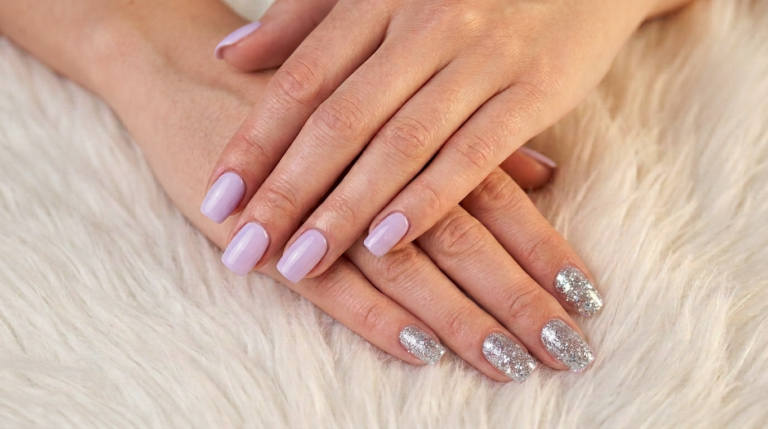
There are two reasons this works. First, a manicure creates an investment you won’t want to destroy. Most people are reluctant to ruin something they paid for and that looks genuinely good. Second, well-maintained nails with polish or a gel coat are significantly harder to bite through.
A gel manicure at a salon provides both a physical barrier and a visual deterrent. The cost creates accountability, and the appearance creates pride. At A Moment’s Peace, our nail technicians can also advise on the best treatment for rebuilding nail health if biting has caused damage.
5. Keep Your Hands Occupied
Many people bite their nails primarily when their hands are idle, during long meetings, phone calls, or TV watching. Giving your hands something to do removes the opportunity.
A small stress ball, a fidget ring, or even just holding a pen or a cup creates a competing behavior that occupies the same muscles. This technique, called habit replacement, is one of the most evidence-based approaches in behavioral change research.
6. Address the Anxiety Behind the Habit
For many people, nail biting is a physical response to anxiety or stress. The biting provides a brief sensory regulation effect. If this sounds familiar, addressing the anxiety directly is the most effective long-term strategy.
This does not necessarily mean therapy, though cognitive behavioral therapy (CBT) has a strong track record with nail biting. It can also mean adding stress management practices that work for you: physical exercise, shorter work blocks with real breaks, or a daily wind-down routine. Treating the symptom without the underlying cause tends to produce temporary results.
7. Apply Moisturizer Regularly
Dry, rough cuticles and hangnails are common triggers. Regular hand and cuticle moisturizing keeps the skin smooth and reduces the tactile irregularities that invite biting or picking.
Keep a small hand cream at your desk and one by your bed. Use it habitually, especially after washing your hands. Cuticle oil applied before sleep accelerates repair if biting has already caused damage around the nail bed.
8. Cover Your Nails if Needed
Some people find that wearing bandages on particularly problem nails, or wearing gloves during high-risk situations like watching TV late at night, removes the physical access point entirely. This is especially useful in the early days of breaking the habit before the new patterns have set.
Wearing gel extensions or press-on nails also creates a physical barrier. They are difficult to bite through, which interrupts the behavior at the point of action rather than relying on willpower.
9. Set a Measurable Goal
‘Stop biting my nails’ is too abstract. ‘Grow my nails to the end of my fingertip by the end of the month’ is concrete. A visible, measurable goal gives you something to track and something to protect.
Take a photo of your nails each week. Progress is motivating. Setbacks are also clearer, which helps you connect them back to the trigger patterns you identified in step one.
10. Rebuild Nail Health as You Go
If nail biting has been a long-term habit, the damage to the nail plate and surrounding skin may need active treatment, not just benign neglect. Nails that have been bitten repeatedly can develop ridges, thinning, and irregular growth.
A nail hardener or a biotin supplement [VERIFY: dermatologist recommendation on biotin for nail health] can support regrowth. Keeping nails short and clean during the regrowth period prevents them from looking ragged or uneven, which in turn makes them less tempting to bite.
A professional manicure appointment also gives you a baseline. Our nail technicians at A Moment’s Peace can assess the current condition of your nails and recommend a regrowth plan.
How Long Does It Take to Stop Biting Your Nails?

Most habit researchers suggest it takes between 21 and 66 days to form a new behavior pattern. [VERIFY: habit formation research citation] For nail biting, two to four weeks of consistent effort using the strategies above is usually enough to break the immediate compulsion.
Nails themselves grow at roughly 3 millimeters per month on average. You can expect to see meaningful regrowth within six to eight weeks of stopping completely.
When to Talk to a Professional
For most people, nail biting is a habit that responds to the strategies above. For a smaller group, it signals an underlying anxiety disorder or a body-focused repetitive behavior (BFRB) condition. If you’ve tried multiple approaches consistently and cannot stop, or if the biting causes infections or significant physical damage, speaking to a dermatologist or behavioral therapist is a worthwhile next step.
Your dermatologist can also treat any nail infections that have developed as a result of chronic biting.
Book a Nail Appointment in Franklin, TN
If you’re working to rebuild your nail health after breaking the habit, our nail technicians at A Moment’s Peace can help. We offer a full range of nail care services including gel manicures, nail repair treatments, and cuticle care.
Visit us at 9050 Carothers Pkwy, Suite 108, Franklin, TN. Book online or call us at 615-224-0770.