

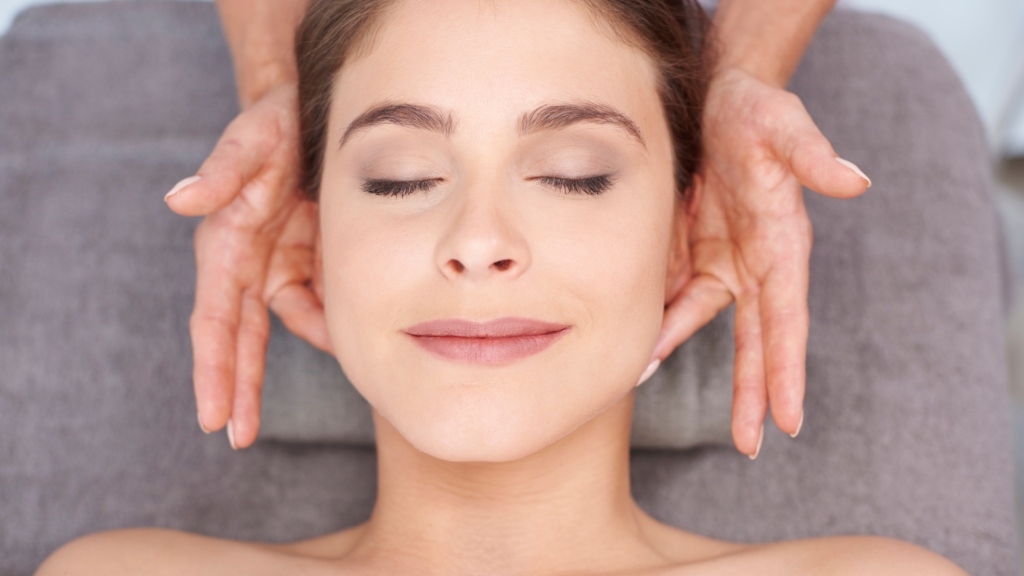
Most massage techniques work by applying pressure to muscle tissue: softening tension, increasing circulation, and breaking down adhesions. Craniosacral therapy does something different. It works with a lighter touch than almost any other bodywork modality, and its target is the central nervous system rather than the muscles themselves.
A Moment’s Peace in Franklin, TN offers craniosacral therapy as part of its full massage therapy menu. Here is what to know before booking.
What Is Craniosacral Therapy?
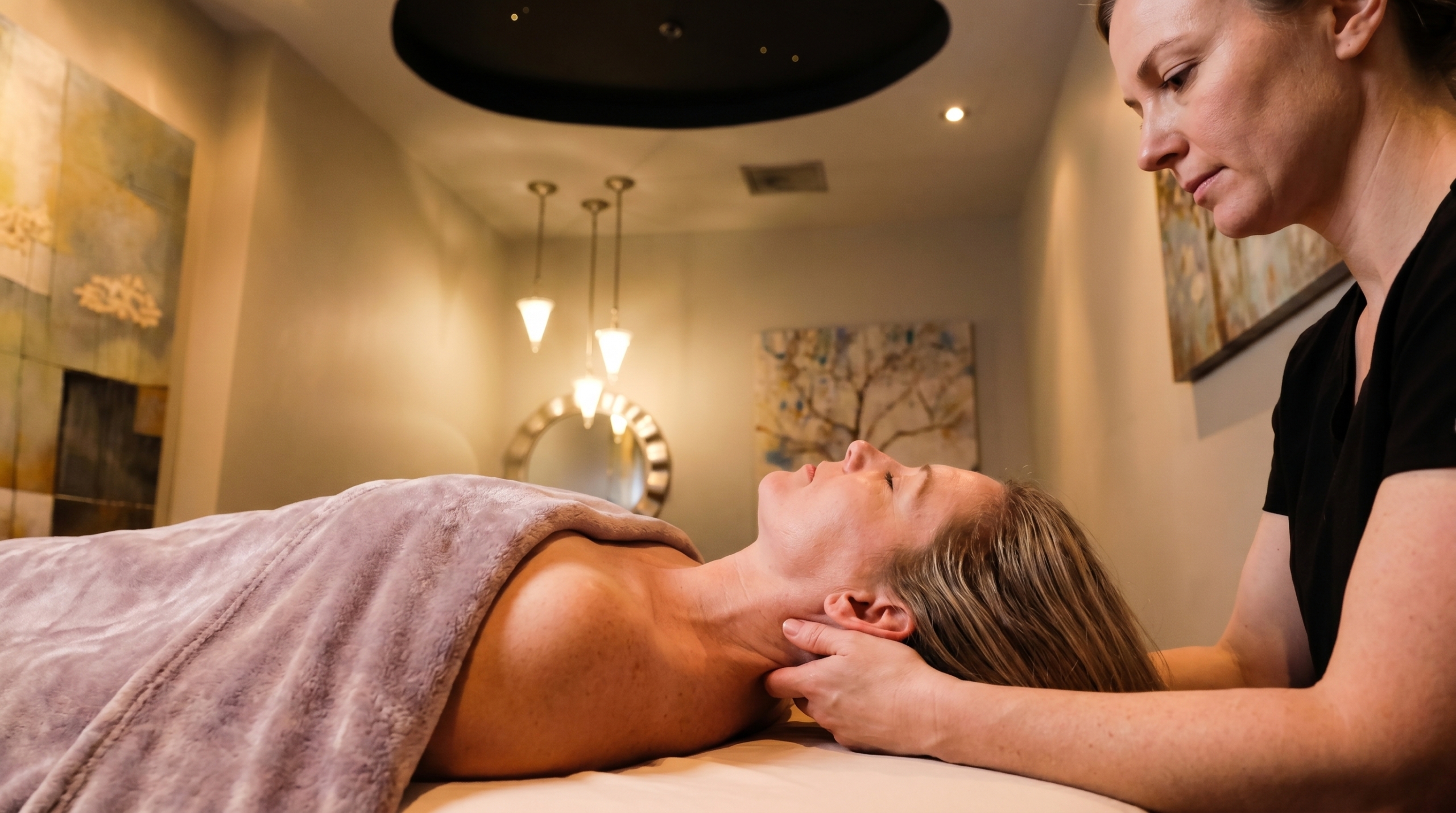
Craniosacral therapy, also written as cranial sacral therapy (CST), is a gentle, non-invasive bodywork technique developed by osteopath Dr. John Upledger at Michigan State University in the 1970s. It uses less than five grams of pressure, about the weight of a nickel, applied to specific points of the skull, spine, and sacrum to evaluate and release restrictions in the craniosacral system.
The craniosacral system consists of the membranes and cerebrospinal fluid that surround and protect the brain and spinal cord. According to the framework behind CST, restrictions or imbalances in this system, caused by physical trauma, emotional stress, or accumulated tension in the fascia, the body’s connective tissue, can affect the functioning of the central nervous system and contribute to pain, headaches, and chronic tension.
The therapist uses an extremely light touch to detect the subtle rhythm of the craniosacral system and apply gentle adjustments to areas of restriction. Many clients describe the experience as deeply relaxing, with some reporting a sense of heat, tingling, or a feeling of the body releasing something held for a long time.
What Craniosacral Therapy May Help
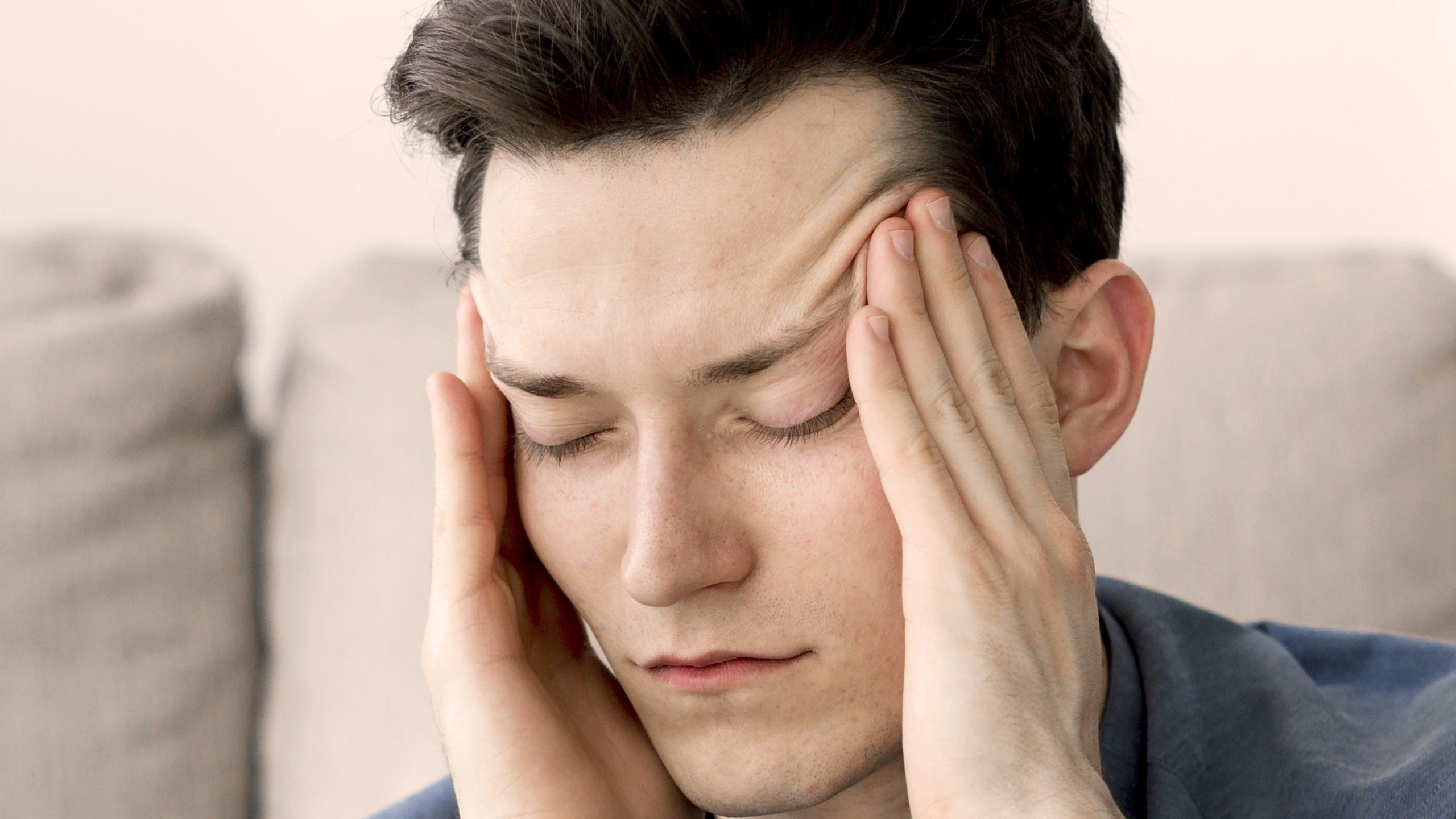
Craniosacral therapy is used for a range of conditions. The Cleveland Clinic notes its application for headaches and migraines, neck and back pain, sinus congestion, stress-related conditions, TMJ (temporomandibular joint) dysfunction, and post-concussion symptoms.
It is also commonly used by people who find standard massage too stimulating or physically demanding, including those recovering from injury, surgery, or illness, people with chronic fatigue conditions, and individuals who carry significant nervous system dysregulation from long-term stress.
CST is gentle enough to be appropriate across a wide age range and for many health conditions that would contraindicate firmer bodywork techniques.
What to Expect During a Craniosacral Therapy Session
You Remain Fully Clothed
Unlike most massage modalities, craniosacral therapy is performed with the client fully clothed. You will lie on a massage table in a comfortable position, typically on your back. No oils or lotions are used.
The Touch Is Extremely Light
The pressure used in CST is so light that many first-time clients initially wonder if anything is happening. The therapist’s hands rest gently on specific points, primarily the head, base of the skull, sacrum, and sometimes the feet, and hold still or apply very subtle movement rather than performing the rhythmic strokes of a standard massage.
Sessions Are Typically Quiet
CST sessions tend to be quiet and meditative. The therapist may speak briefly to orient you to what they are working on, but there is generally little conversation. Many clients fall into a state of deep relaxation or light sleep during the session.
Sessions Run 45 to 60 Minutes
A standard craniosacral therapy session at A Moment’s Peace runs 45 to 60 minutes. The experience feels different from a standard massage: more internal, more still, and often with an emotional as well as physical release quality that some clients describe as processing or resolving something beyond just muscle tension.
How Craniosacral Therapy Differs from Other Massage Modalities
| Craniosacral Therapy | Swedish / Deep Tissue / Hot Stone | |
| Pressure | Under 5 grams — barely perceptible | Light to firm depending on modality |
| Target | Central nervous system, fascia, CSF flow | Muscles, circulation, soft tissue |
| Clothing | Fully clothed | Undress to comfort level |
| Movement | Mostly still — very subtle adjustments | Active strokes and pressure patterns |
| Best for | Headaches, nervous system, chronic stress, post-trauma | Muscle tension, relaxation, pain, recovery |
Is Craniosacral Therapy Right for You?
CST tends to be a good fit for people who have not found adequate relief from firmer bodywork techniques, people who are sensitive to pressure or dealing with conditions that contraindicate standard massage, and people who feel their primary issue is nervous system dysregulation rather than muscle tension specifically.
It is also appropriate as a complement to other wellness or medical treatments. Many people use CST alongside regular Swedish or deep tissue massage, physical therapy, or chiropractic care.
If you are unsure whether CST is right for your situation, describe your goals and any relevant health history to your therapist when you book. They can help you determine whether to start with CST, combine it with another modality, or schedule a consultation first.
Book Craniosacral Therapy in Franklin, TN
Our licensed massage therapists at A Moment’s Peace include practitioners with specific training in craniosacral therapy. We are at 9050 Carothers Pkwy, Suite 108, Franklin, TN 37067. Book online at amomentspeace.com or call 615-224-0770.
Frequently Asked Questions
Is craniosacral therapy scientifically proven?
The evidence base for craniosacral therapy is mixed. Some studies show benefits for headaches, neck pain, and stress-related conditions, while the underlying mechanism of craniosacral rhythm is debated in the research literature. Many clients report significant subjective benefit, particularly for conditions involving nervous system dysregulation and chronic tension that has not responded to standard massage. It is generally considered a low-risk complementary therapy.
How many craniosacral sessions are needed to see results?
Some clients notice a shift after a single session. For chronic conditions or long-standing patterns, a series of three to six sessions is commonly recommended before assessing whether to continue. Your therapist will give you a clearer picture based on your intake and the first session.
Does craniosacral therapy hurt?
No. Craniosacral therapy is one of the gentlest bodywork techniques available. The pressure used is so light that the treatment should not produce any discomfort. If you feel any discomfort during a session, tell your therapist