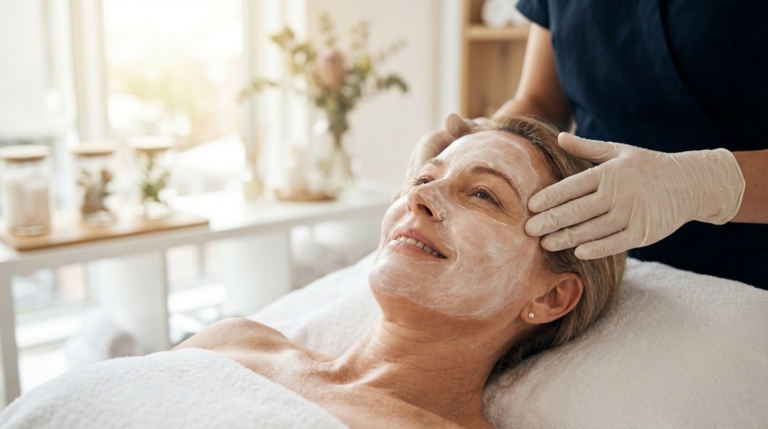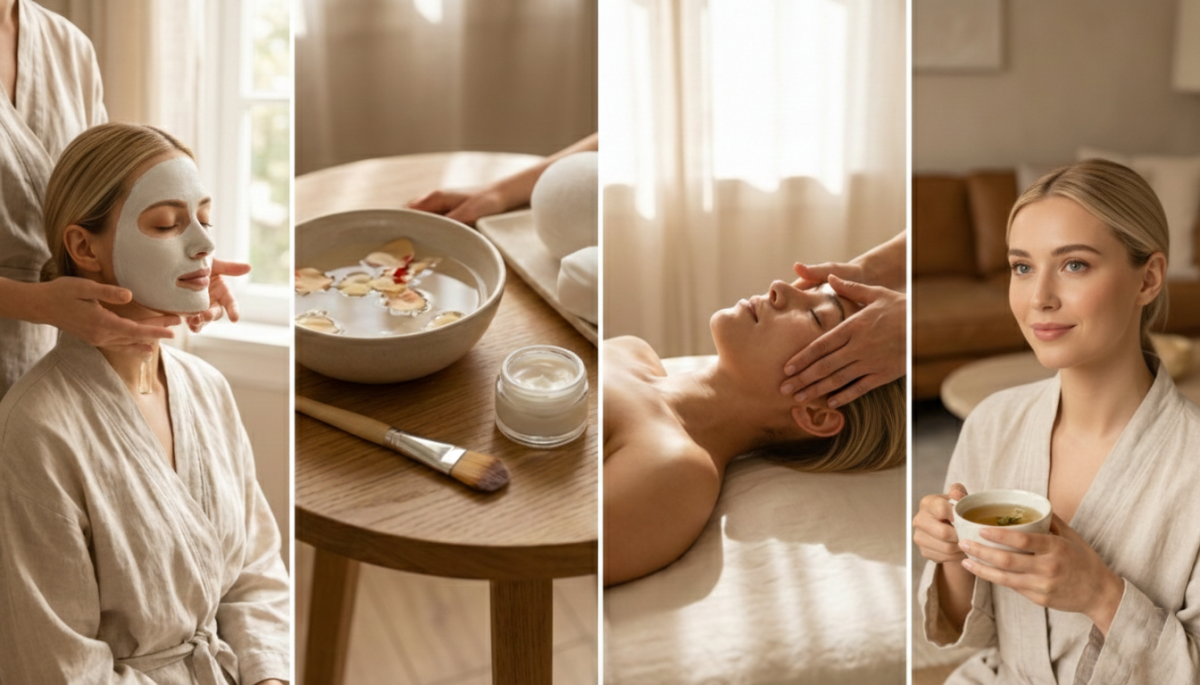
Most skincare concerns do not appear overnight. Skin gradually becomes dull. Breakouts happen more often. Products that once worked stop delivering results.
When these changes occur, people usually start by asking what a facial actually is, and whether professional skincare offers something meaningfully different from what they already do at home.
Facials are often framed as pampering or occasional treatments, but that framing misses their real role. A professional facial is a structured skin health treatment designed to support how skin functions, not just how it looks in the moment.
This guide explains what a facial is, what happens during treatment, why it matters for skin health, and how to think about facials as part of a long-term approach rather than a quick fix.
What Is a Facial and How Is It Different From At-Home Skincare?
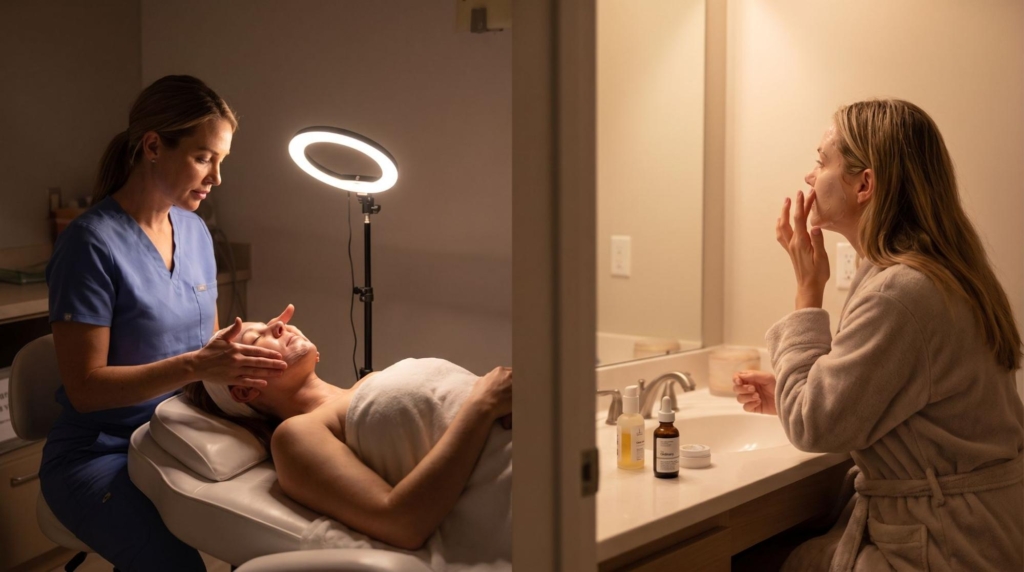
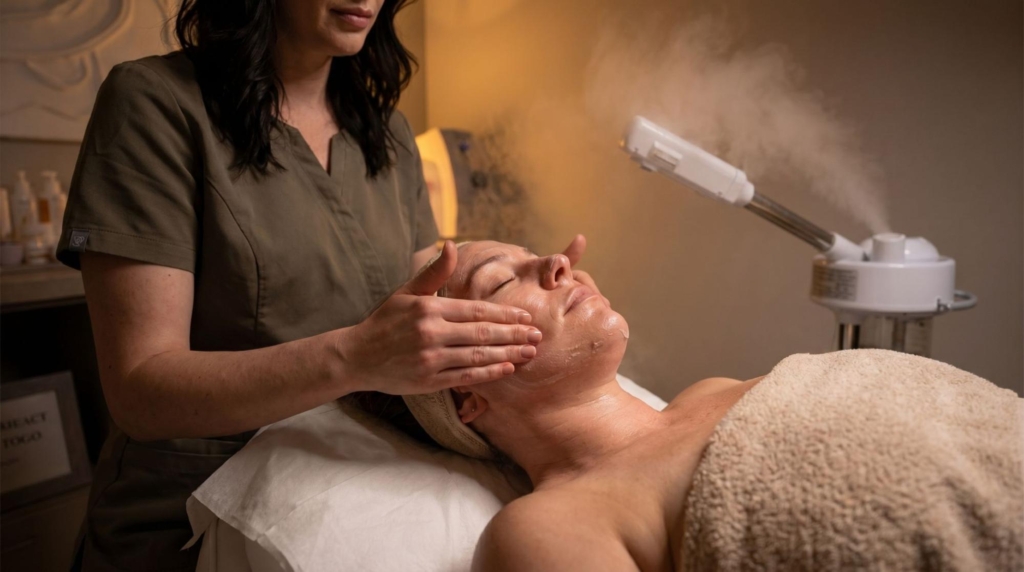
A facial is a professional skincare treatment performed by a licensed esthetician. It is designed to support the skin’s natural processes through cleansing, controlled exfoliation, hydration, and targeted treatment based on current skin condition.
Skin functions as a protective barrier. The outermost layer, the stratum corneum, regulates moisture and protects against environmental stress. When this barrier is disrupted, skin can become dry, sensitive, congested, or inflamed. Professional facials are designed to work with that barrier rather than disrupt it.
One key difference between professional facials and at-home skincare is how treatments are selected and adjusted.
At home, skincare products are typically used as part of a regular routine. During a facial, treatments can be adjusted based on a professional assessment and how the skin responds. This can help reduce the risk of over-exfoliation and allows for more precise care.
What Happens During a Professional Facial?
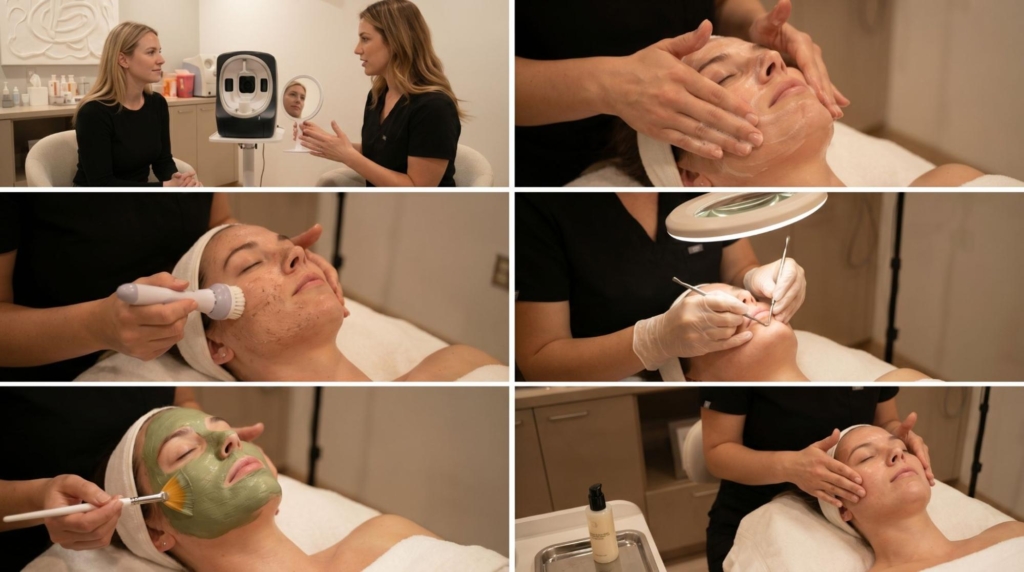
While specific treatments vary, most facials follow a consistent structure designed to support the skin without overwhelming it. A typical session includes:
- A consultation and skin assessment to understand hydration, sensitivity, and congestion
- Cleansing to remove surface buildup and impurities
- Controlled exfoliation to support natural skin renewal
- Optional extractions when appropriate for the skin condition
- A treatment phase using masks, serums, or targeted products
- Moisturizing and guidance on protecting the skin afterward
The consultation step shapes everything that follows. It helps determine which treatments are appropriate for the skin’s current condition.
Why Are Facials Important for Skin Health?
Skin renewal rates vary depending on age, skin condition, and individual factors. While younger skin generally renews more quickly, this process can slow with age, contributing to changes in texture and appearance.
As this process slows, buildup on the skin surface can interfere with hydration and contribute to uneven texture and clogged pores.
Facials support this process through controlled exfoliation rather than aggressive removal. This helps maintain barrier integrity while encouraging healthy renewal.
The American Academy of Dermatology emphasizes the importance of choosing exfoliation methods suited to individual skin types to minimize irritation.
Hydration also plays a central role. When the barrier is supported, the skin is better able to retain moisture and protect itself from external stress.
Professional facials can complement an at-home skincare routine by addressing surface buildup and hydration needs. Their benefits depend on the treatment used and the individual’s skin condition.
What Results Can You Realistically Expect From a Facial?
Facials are often associated with immediate glow, but their real value shows up across different timelines.
| Timing | Possible Results |
| Immediately after | Smoother texture, brighter appearance |
| 1–3 days after | Improved hydration and softness |
| Long-term (consistent care) | Potential improvements in texture, hydration, and overall skin appearance |
Results vary depending on skin type, treatment methods, and at-home care. While some improvements may be noticeable immediately, concerns such as uneven texture or congestion may require multiple treatments and a consistent skincare routine.
For a closer look at how specific treatments work, explore our guide to the CO2Lift facial and its potential benefits.
The Real Benefits of Professional Facials
Beyond immediate improvements in appearance, professional facials offer several practical benefits:
- Personalized skin care: Treatments are selected based on individual skin concerns and sensitivity.
- Professional exfoliation: Appropriate techniques help remove surface buildup and improve the appearance of skin texture.
- Targeted treatment: Products and techniques can address concerns such as dryness, congestion, or uneven texture.
- Expert guidance: Estheticians can recommend ways to support skin health between appointments.
How Often Should You Get a Facial?
Many skincare professionals recommend facials approximately every four to six weeks for maintenance. However, the ideal frequency depends on many factors, like:
- Skin sensitivity or dryness
- Acne or congestion levels
- Treatment intensity
- Environmental or seasonal changes
Consistency tends to matter more than frequency alone. Incorporating facials into a regular self-care routine can help you maintain your skincare goals without relying on occasional intensive treatments.
Common Myths About Facials
Many misconceptions about facials come from how they are marketed rather than how they actually work.
| Myth | Fact |
| Facials are only for special occasions. | Facials can be part of a regular skincare routine, not just an occasional spa treatment. |
| People with sensitive skin should avoid facials. | Some treatments can be adapted for sensitive skin following an appropriate assessment. |
| One facial can solve every skin concern. | Some results are immediate, while other concerns may require ongoing care. |
| At-home skincare makes professional facials unnecessary. | Professional facials provide personalized treatments and guidance that can complement daily skincare. |
Are Facials Just About Relaxation?
Relaxation is part of the experience, but it is not the primary purpose. Stress can influence inflammation and barrier function, so calming treatments may indirectly support skin health.
However, the effectiveness of a facial depends on how it is structured and adapted to the skin, not the environment alone.
Who Should Consider Professional Facials?
Facials are appropriate for a wide range of people, but the reasons tend to be practical rather than cosmetic. They are often helpful for:
- Adults noticing changes in hydration, texture, or responsiveness
- Teens managing breakouts with guided care
- Individuals whose current skincare routine no longer produces results
- Anyone looking to take a more structured approach to skin health
Skin condition matters more than age. Needs change over time, and facial care should adjust accordingly.
Professional Facial Treatments in Franklin, TN
Understanding your skin’s needs is the first step toward choosing the right facial treatment. At A Moment’s Peace Salon & Day Spa in Franklin, TN, facial services are tailored to individual skin concerns and skincare goals.
Whether you’re looking to address dryness, congestion, or uneven texture, exploring professional facial options can help you find a treatment suited to your needs.
Learn more about our facial services and discover which treatment may be right for you.
Conclusion: Why Facials Matter for Skin Health
A facial offers more than a temporary improvement in appearance. Through personalized treatments, controlled exfoliation, and targeted skincare, it can help support hydration, improve skin texture, and address individual concerns.
When combined with consistent at-home care, facials can be a valuable part of maintaining healthy-looking skin over time.
Frequently Asked Questions
What is a facial exactly?
A facial is a professional skincare treatment that includes cleansing, exfoliation, hydration, and targeted care based on your skin’s needs.
Are facials actually good for your skin?
Yes, when performed correctly. They support barrier function, hydration, and controlled skin renewal.
How long does a facial usually take?
Most professional facials last between 50 and 75 minutes.
Can facials help with acne?
They can support acne management by reducing congestion and calming inflammation when combined with a proper routine.
Do you still need facials if you use good skincare?
Yes. Professional facials complement at-home skincare by providing personalized treatments and addressing specific skin concerns.