


Massage is often something people turn to when stress stops feeling abstract and starts showing up in the body.
Sleep becomes lighter. Muscles stay tense longer than usual. A single session can bring noticeable relief, which leads to a more practical question soon after: how often does massage actually need to happen for it to support real health benefits, not just short-term comfort?
There is no single schedule that works for everyone. What both research and long-term observation suggest is that massage becomes more effective when frequency reflects how often stress or strain is showing up in the body.
For some people, that is a daily mental load. For others, it is physical repetition, posture, or recovery demands. The difference matters, because it changes how often the body actually needs support.
Why Massage Frequency Shapes Results Over Time
Massage may help relieve muscle tension, encourage relaxation, and provide temporary relief from certain types of discomfort. The extent and duration of these effects vary depending on individual needs, health conditions, and treatment approach.
Research published in The Journal of Alternative and Complementary Medicine has explored how massage may influence cortisol, serotonin, and dopamine, which are associated with stress and mood regulation.
While findings on these specific biological changes vary, research supports massage as a way to promote relaxation and help manage certain stress-related symptoms. What becomes clear is that frequency of massage sessions can influence how consistently people experience relief.
Occasional massage may provide temporary relief, while regular sessions can offer an opportunity to manage recurring tension and reassess individual needs. Building consistent self-care habits can also support a broader wellness routine.
The ideal frequency depends on how a person responds and whether the sessions support their wellness goals.
Start With What Your Body Is Repeating, Not a Fixed Schedule
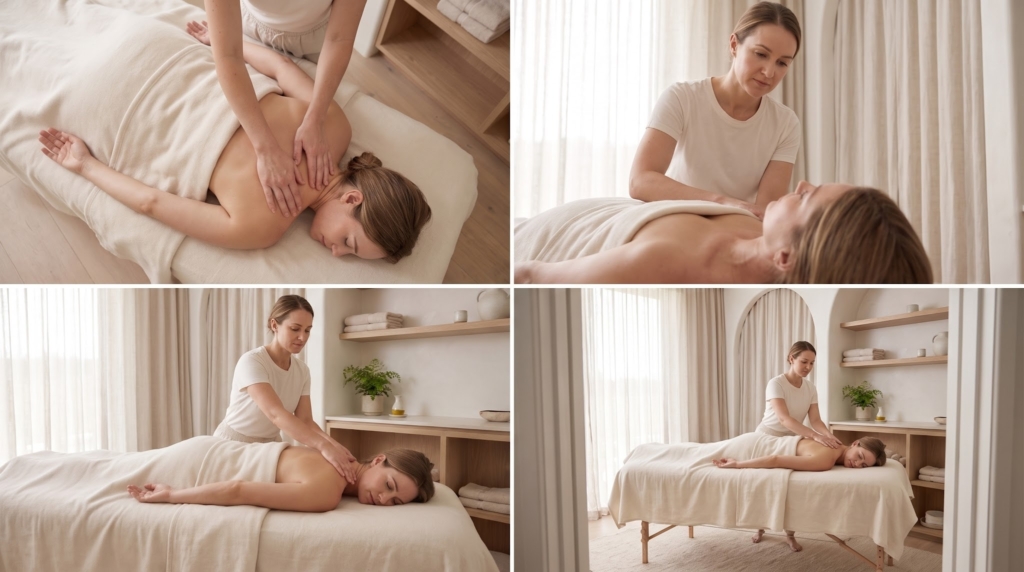
A more useful way to think about massage frequency is to look at what your body is dealing with repeatedly. Tension is rarely random. It tends to follow patterns.
Someone working long hours at a desk may carry consistent neck and shoulder strain. Someone managing a demanding schedule may notice tension showing up as restlessness or poor sleep. Someone physically active may experience localized tightness that builds with repetition.
Factors that usually shape frequency include:
- Whether stress is primarily mental, physical, or both
- How quickly tension returns after a session
- Whether discomfort is general or localized
- How the body responds in the 24 to 48 hours after massage
These patterns are often more useful than choosing a schedule upfront, because they reflect how often the body is actually under load.
Weekly, Biweekly, or Monthly Massage: What Changes Between Them
Massage frequency works less like a rule and more like a rhythm. Each pattern tends to support a different outcome over time.
| Frequency | Practical Consideration |
| Weekly | May suit people seeking more frequent support during periods of heightened stress or discomfort |
| Every 2–3 weeks | May provide a manageable balance between recurring sessions and personal scheduling needs |
| Monthly | May be suitable for general relaxation or routine wellness maintenance |
Weekly massage provides consistent support during periods of high physical or mental demand, helping people manage recurring tension and stress before discomfort becomes overwhelming.
Every two to three weeks tends to feel more sustainable for many people. There is still relief, but also enough space between sessions to notice patterns.
Monthly massage works best as a check-in. It can help people stay aware of how their body is changing, but it may not be frequent enough to fully manage ongoing stress or discomfort.
When Massage Is Primarily for Stress
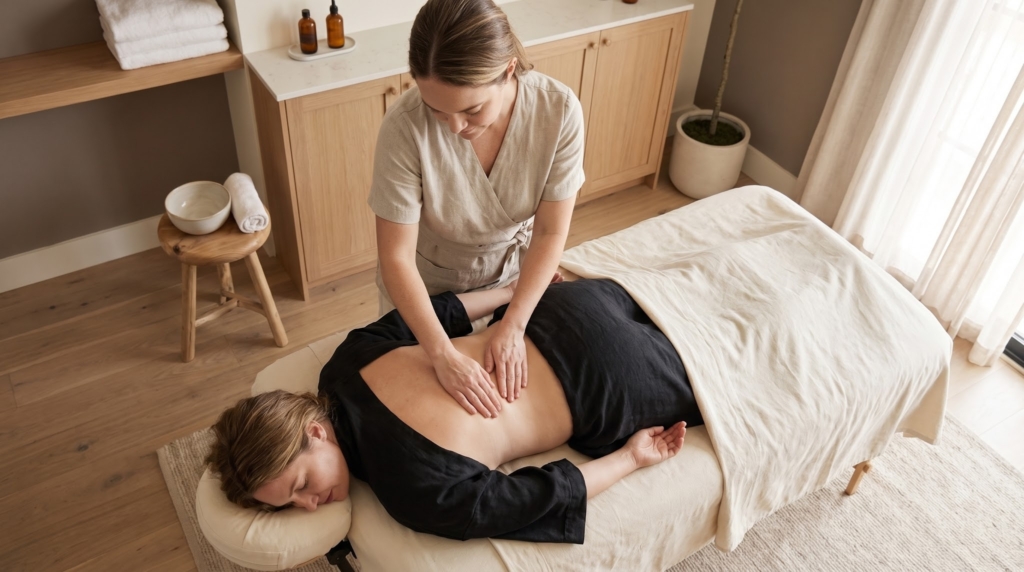
Alt text: Therapist giving a relaxing massage for stress relief
When stress is the main factor, frequency often matters more than technique.
The nervous system responds to consistency. Studies using heart-rate variability suggest that massage supports parasympathetic activity, which plays a role in recovery and emotional regulation.
If sessions are too far apart, the body often returns to its previous stress baseline before the next appointment. Some people may find that regular massage helps them manage stress more consistently, although the duration of these benefits varies.
This is often where people notice the biggest shift. Early sessions feel relaxing. With consistency, the change shows up between sessions:
- Sleep becomes more predictable
- Physical signs of stress decrease
- The body feels less reactive during busy periods
For residents of Franklin and the greater Nashville area managing ongoing stress, regular massage can become a valuable part of their wellness routine.
When Massage Is Used for Pain or Physical Strain

Massage used for physical discomfort tends to follow a different pattern. Research on massage for conditions like neck pain or lower back pain often involves more frequent sessions at the beginning, followed by reduced frequency as symptoms improve.
According to the NCCIH, massage may help relieve certain types of neck, shoulder, and lower-back pain, making it a potential option for managing physical discomfort.
In practice, this often looks like:
- Starting with closer sessions to reduce intensity
- Gradually spacing sessions out as the body improves
- Adjusting based on flare-ups rather than a fixed schedule
Massage works best here when it adapts, rather than staying static.
How to Tell If Your Current Frequency Is Actually Working
Massage frequency is effective when it changes what happens between sessions, not just how you feel during them. People often notice:
- Tension takes longer to return
- Sleep improves without effort
- Stress feels easier to manage before it builds
- Physical discomfort becomes less reactive
If relief fades quickly, it may be worth discussing your symptoms and massage schedule with your therapist to determine whether adjustments could help.
Why Massage Frequency Naturally Evolves
Massage needs change as lifestyles and physical demands evolve. During stressful periods or times of increased activity, more frequent sessions can provide additional support. As those demands ease, appointments can be spaced farther apart to maintain a comfortable wellness routine.
This flexibility allows massage frequency to reflect what the body needs at different stages rather than following the same schedule indefinitely.
In Franklin, long-standing providers such as A Moment’s Peace Salon & Day Spa tend to work within that model, where frequency is adjusted based on how clients are actually feeling over time rather than set in advance.
How Massage Frequency Fits Into Long-Term Health
Regular massage offers more than an opportunity to relax. Ongoing sessions give clients and massage therapists the chance to monitor recurring areas of tension, discuss changes in physical comfort, and adjust techniques based on individual responses.
Over time, this familiarity helps create a more personalized wellness experience. Rather than approaching every appointment as an isolated session, clients can build a routine that reflects their goals, lifestyle, and changing needs.
At A Moment’s Peace Salon & Day Spa in Franklin, Tennessee, clients can incorporate massage into their broader self-care routines, with scheduling and treatment approaches guided by their individual preferences and wellness goals.
Conclusion: Let Frequency Reflect What Your Body Is Carrying
There is no single answer to how often you should get a massage. What research and experience both show is that frequency works best when it reflects how often stress or physical strain is showing up in the body.
For some, that means weekly support during demanding periods. For others, it means a steady maintenance rhythm. The goal is not to follow a fixed schedule, but to find a pattern that supports how your body actually responds.
Located in Franklin, approximately 20 minutes south of Nashville, A Moment’s Peace Salon & Day Spa serves clients across Middle Tennessee who are looking for a consistent, long-term approach to care.
Explore our massage services to find a treatment that fits your wellness needs and schedule your next appointment.
FAQs About Massage Frequency
How often should you get a massage for real health benefits?
Frequency depends on how often stress or tension builds. Weekly sessions may help during high-demand periods, while monthly sessions are often used for maintenance.
Is massage still effective if done once a month?
Yes, but the benefits may be shorter-term. Monthly massage is often best for general awareness rather than ongoing stress or pain management.
Can massage frequency affect sleep and stress levels?
Yes. Consistent massage may help promote relaxation and improve perceived sleep quality for some people, although results and the duration of benefits vary.
Should massage frequency change based on lifestyle?
Yes. Frequency often increases during periods of higher stress or physical demand and decreases when those demands ease.
What is the best way to find the right massage schedule?
Pay attention to how quickly tension returns and how your body feels between sessions. That pattern usually indicates the right frequency.